mardi 15 janvier 2013

Drone strikes: A Human Rights Issue


Al Jazeera English. “US ‘will continue Pakistan drone attacks”  20 April 2011
Al Jazeera English “Drone Strikes claim lives in Pakistan” 8 January 2013
Amnesty International “US urged to clarify basis for drone killings in Pakistan” 31 January 2012
Martin Khor, “Drone Strikes Very much a Human Rights Issue” 9 August 2012
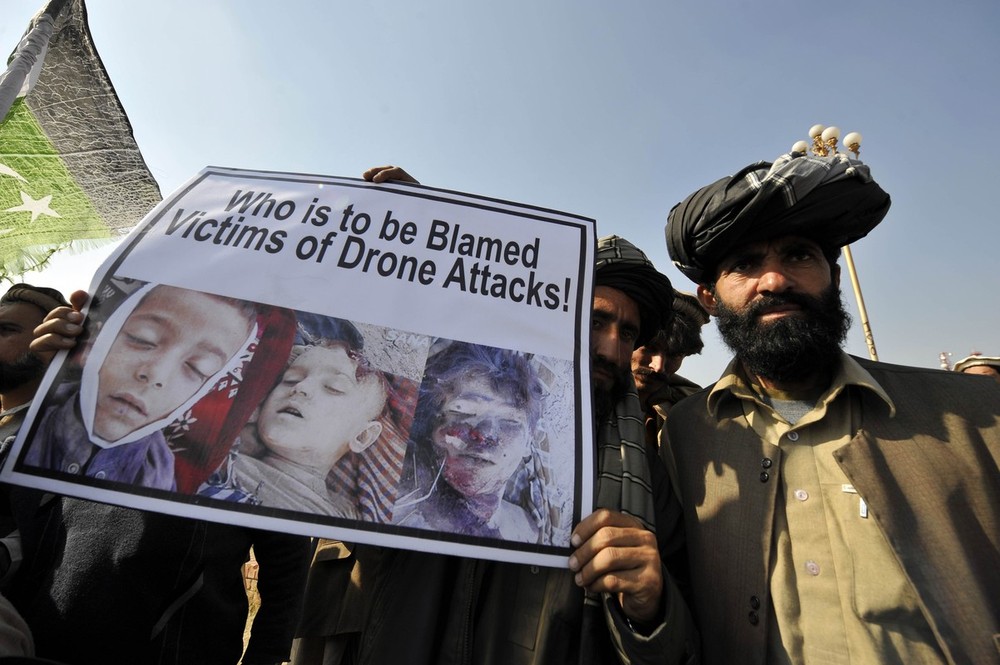

AAMIR QURESHI/AFP/Getty Images

The CIA-sponsored drone strikes in Pakistan came into light once again on 8 January, 2013, when an attack left at least seven people dead in the troubled region of North Waziristan, Pakistan. Al Jazeera English reported that the identity of those killed is not yet confirmed but the US, however, claimed that an al-Qaeda operative was among the dead. 

Al Jazeera reported, Legal lobby group Reprieve estimates that up to nearly 900 innocent civilians were among the 2,621 to 3,442 people killed by drones in Pakistan since 2004. Prior to January 2012, Obama did not admit the use of drone attacks.

Imran Khan, a cricketer turned politician who is aiming for the nation’s highest position, Prime Minister, have said in an interview on Geo News channel, “As a Prime Minister, we will shoot down the drones and go to the United Nations and accuse America for violating our sovereignty.” Pakistani people view the CIA-led drone attacks as a clear violation of their sovereignty and human rights.

Khan draws on the popular outrage against the drone strikes to further his political goals. Khan believes that this strategy is counter-productive and is only increasing the militancy and anti-US sentiments in the country.

In the past, Amnesty International urged the US to monitor civilian casualties inflicted by drone attacks in Pakistan.

Sam Zarifi Amnesty International’s Asia-Pacific director, said, "The US authorities must give a detailed explanation of how these strikes are lawful and what is being done to monitor civilian casualties and ensure proper accountability.”

US drone strikes have expanded under Obama’s administration. The US drone strikes encourage an armed resistance in the region. It is expected that the use of drone strikes will increase in 2013. Al Jazeera's Kamal Hyder, reporting from Islamabad, said the remarks about continued US drone attacks came as a surprise especially when the strikes are widely unpopular in Pakistan.

Navi Pillay, The UN High Commissioner on Human Rights, in her overall report to the Human Rights Council on June 18, said that during her recent visit to Pakistan she expressed serious concern over the continuing use of armed drones for targeted attacks, in particular because it is unclear that all persons targeted are combatants or directly participating in hostilities.

On June 26, Pakistan’s Ambassador Zamir Akram told the Council, “Regrettably this call has not been heeded. The drone attacks continue in violation of the UN Charter, international human rights and international humanitarian law. The international human rights machinery must clearly reject attempts to justify these actions.”

The lack of a legal framework allows for drone strikes to be implemented at will usually without permission from the host nation.

References:
Drone Strikes claim lives in  Pakistan. (2013, Jan, 8). Al Jazeera English. Retrieved from http://www.aljazeera.com/news/asia/2013/01/20131851154345478.html

Khor, Martin. (2012, August 9). Drone Strikes Very much a Human Rights Issue. Global Research. Retrieved from
http://www.globalresearch.ca/drone-strikes-very-much-a-human-rights-issue/32281

US ‘will continue Pakistan drone attacks. (2011, April, 20). Al Jazeera English. Retrieved from http://www.aljazeera.com/news/asia/2011/04/201142016503942929.html

US urged to clarify basis for drone killings in Pakistan. (2012, Jan, 31). Amnesty International News. Retrieved from
http://www.amnesty.org/en/news/usa-urged-clarify-basis-drone-killings-pakistan-2012-01-31


Syira Mughal
Amnesty International Maroc


vendredi 7 décembre 2012

منظمة العفو الدولية ترفع وتيرة تضامنها مع شعوب منطقة الشرق الأوسط وشمال إفريقيا


في 10 دجنبر من هذا العام، يخلد المجتمع الدولي اليوم العالمي لحقوق الإنسان، وتحتفي منظمة العفو الدولية بهذا اليوم من خلال برنامج حافل بعدد من الفعاليات التضامنية مع شعوب منطقة الشرق الأوسط وشمال إفريقيا تحت شعار: " نتحرك، نتضامن من أجل التغيير".ويحل اليوم العالمي لحقوق الإنسان هذه السنة، وبلدان الشرق الأوسط وشمال إفريقيا وضمنها المغرب مشغولة بالتحولات السياسية والاقتصادية تحت ضغط ربيع الاحتجاجات الجماهيرية. لكن، رغم بعض الإصلاحات والمبادرات الواعدة، هناك قلق من استمرار انتهاكات حقوق الإنسان ، فالحكام الجدد ينكثون بعهودهم ويلجؤون إلى ارتكاب أنماط مألوفة من الانتهاكات ، من بينها الاستخدام المفرط للقوة ضد المتظاهرين السلميين وتعريض المعتقلين للتعذيب، والتضييق على الصحافة، والاعتداء على حقوق المرأة بدلا من كسر الأنماط  الراسخة للقمع وانتهاكات حقوق الإنسان، كما وعدوا بفعل ذلك .وإلى جانب ذلك بقيت كثير من القوانين الغاشمة، كقانون مكافحة الإرهاب، و ظل الإفلات من العقاب هما أساسيا، خاصة وأن كثيرا من الموظفين المسؤولين عن انتهاكات حقوق الإنسان المرتبكة في السنوات السابقة ما زالوا في مناصبهم، وما زال المواطنون يعانون من مستويات عالية من البطالة والفقر والتهميش.وفي هذه الظروف الصعبة، التي تتميز بعودة إعصار الغضب الشعبي ليهز المنطقة من جديد، ترفع منظمة العفو الدولية  وتيرة تحركاتها من مجرد حشد الدعم والتضامن في الشوارع ، وكسب التأييد مع العمل الإعلامي، وإجراء الأبحاث وتوثيق انتهاكات حقوق الإنسان، إلى تنظيم أيام تضامن دولية مع شعوب منطقة الشرق الأوسط وشمال إفريقيا التي انتفضت لتطالب بحقوقها في وجه أعتى مستويات العنف وأبشع أشكاله.وفي هذا الإطار، تطلق منظمة العفو الدولية على المستوى العالمي حملة " ماراتون الرسائل" يوم 7 دجنبر ليمتد إلى غاية 17 دجنبر 2012 بغاية جمع مئات الآلاف من الرسائل لدعم الأفراد في خطر وضحايا انتهاكات حقوق الإنسان في المنطقة وغيرها من بلدان العالم.والهدف من الحملة العالمية  من "ماراتون الرسائل" هو تشجيع المزيد من الناس على كتابة رسائل موجهة إلى  حكومات مسؤولة عن الاحتجاز التعسفي والتعذيب أو مختلف التهديدات الممارسة على أناس يمارسون سلميا حقهم في التعبير والدفاع عن آرائهم ومعتقداتهم، ويصممون علىالنضال من أجل اعتبار الحقوق الاقتصادية والاجتماعية والثقافية جزءا لا يتجزأ من جدول أعمال حقوق الإنسان.وضمن نفس السياق، توجه منظمة العفو الدولية إلى الحكومة المغربية  رسالة مفادها أنه آن الأوان للإنصات إلى صوت الشعب وأن تفي بواجباتها بموجب القانون الدولي لحقوق الإنسان واتخاذ إجراءات فورية من أجل احترام الحقوق المدنية والسياسية، والحقوق الاقتصادية والاجتماعية والثقافية وحمايتها والوفاء بها. وبدل الكثير من الخطابات المنمقة، يجب الانتقال إلى العمل من منطلق أن الكرامة الإنسانية تقتضي احترام جميع الحقوق الإنسانية لجميع البشر، فليس ثمة أولوية مقدمة على الحق في العيش بكرامة. 
هذا ومن المقرر أن تنفذ منظمة العفو الدولية - فرع المغرب حملات توعية هامة وواسعة النطاق في المدارس والمؤسسات التعليمية والمعاهد العليا ودور الشباب، والمسارح والأماكن العامة من أجل دعم ضحايا حقوق الإنسان ومطالبة حكوماتهم بإنصافهم. هذا وتدعو منظمة العفو الدولية – فرع المغرب وسائل الإعلام والصحافة الإلكترونية ونشطاء الشبكات الاجتماعية والجمهور العام أن يصبحوا سفراءا لماراتون الرسائل و تحثهم على الانخراط في هذه الحملة لدعم الأفراد في خطر، وضحايا انتهاكات حقوق الإنسان، وفتح آفاق الأمل في أن نضالات الناس لن تذهب سدى وسوف تجلب مستقبلا أفضل للجميع.

منظمة العفو الدولية - فرع المغرب

jeudi 6 décembre 2012

Le Forum National des Jeunes d’Amnesty Maroc: Le point


Comme le veut la coutume, chaque année la section d’Amnesty International Maroc tient son forum annuel des jeunes. Une occasion de réunir de jeunes militants pour les droits de l’Homme, travaillant sur un thème et opérant sur différents projets et différentes campagnes, dans le but de sortir avec des préconisations quant aux actions futures et un plan stratégique pour le travail des jeunes.


La rencontre de cette année a eu lieu les 1 et 2 Décembres 2012, sous le thème « Agissons, changeons la vie des gens », et ce au club des avocats de Rabat.
Plus de 30 étudiants ont répondu présents à l’appel d’Amnesty International Maroc, tous fervents de faire entendre leur voix en prenant part au travail des différents ateliers programmés. Et en parlant de programme, on peut dire que les jeunes ne se sont pas plaints de n’avoir rien à faire !


En effet, la rencontré était chapeauté sur quatre thèmes principaux, à savoir le bilan de travail de la section jeunes, le plan stratégique 2013, la mobilisation et le militantisme sur internet ainsi que la structuration de la section jeune.

Il est à dire que l’édition du forum national des jeunes d’Amnesty International Maroc de cette année était particulière, de par le dévouement et l’engouement des jeunes quant à un travail motivé et motivant, mais surtout un travail de qualité.
Les jeunes ont eu l’occasion de travailler sur la justice transitionnelle en Tunisie, sujet qui revient assez souvent dans le travail d’Amnesty dernièrement vu la conjoncture que connait le pays, mais aussi l’abolition de la peine de mort, l’éduction aux droits de l’Homme, les expulsions forcées en Egypte pour ne citer que ceux-ci.


La rencontre s’est soldée par la sortie avec un plan stratégique de travail des jeunes au sein de la section au titre de l’année 2013, tablant principalement sur la mobilisation et le e-militantisme, tout en instant sur l’importance de coordination entre les différents groupes du royaume. 


Avec un tél début, on peut dire que l’année 2013 promet de belles surprises quant au travail des jeunes d’Amnesty International Maroc.

Redouane HADRANE
Amnesty International - Maroc


dimanche 25 novembre 2012

من السلام في المنزل إلى السلام في جميع أنحاء العالم

حملة 16 يوما لتحدي الفكر العسكري والعنف ضد المرأة
تطلق منظمة العفو الدولية » حملة 16 يوما من التحرك لمناهضة العنف على أساس النوع الاجتماعي « يوم 25 نونبر2012 بتنسيق مع مركز القيادة العالمية النسائية (CWGL)، تحت شعار "من السلام في المنزل إلى السلام في جميع أنحاء العالم: لنتحدى الفكر العسكري ونضع حدا للعنف ضد المرأة".
حملة 16 يوما من التحرك لمناهضة العنف على أساس النوع الاجتماعي هي حملة عالمية مكرسة لإنهاء العنف ضد المرأة. وتنظم هذه الحملة كل سنة في الفترة مابين 25 نونبر، اليوم العالمي لمناهضة العنف ضد المرأة، و 10 دجنبر، اليوم العالمي لحقوق الإنسان. وهذه التواريخ تربط رمزيا العنف ضد المرأة وحقوق الإنسان للتأكيد على أنه انتهاك لحقوق الإنسان.
تسلط حملة 16 يوما لهذا العام الضوء على تقاطعات العنف ضد المرأة والفكر العسكري. حيث أن هذا الأخير يشكل مصدرا رئيسيا للعنف الذي تتعرض له المرأة. فهو كإيديولوجية يخلق ثقافة الخوف ويدعم استخدام العدوان والعنف والتدخل العسكري من أجل وضع تعزيز المصالح الاقتصادية والسياسية على حد سواء. وتركز هذه الإيديولوجية على أشكال معينة من الذكورة التي تفترض أن العنف هو وسيلة فعالة لحل المشاكل العسكرية، وغالبا ما تكون لهذا الفكر عواقب وخيمة على سلامة وأمن مجتمعنا ككل بما في ذلك الأطفال والنساء وكذا الرجال.
منذ نهاية حملتها لوقف العنف ضد المرأة (2004-2010)، ظلت منظمة العفو الدولية ملتزمة بمكافحة العنف القائم على النوع الاجتماعي وحريصة على إيصال رسالة احترام وحماية حقوق المرأة في جميع أنحاء العالم.
إن العمل على ضمان المساواة بين الجنسين وحقوق المرأة هي أولوية تتصدر قائمة أولويات منظمة العفو الدولية، باعتبارها قضية كونية تدخل في صميم رسالتها ورؤيتها. وتعتبر هذه الأيام 16 فرصة للتركيز ولفت الانتباه إلى عدد من انتهاكات حقوق المرأة حول العالم.
وفي هذا الإطار،  تغتنم منظمة العفو الدولية فرصة اليوم العالمي لمناهضة العنف ضد المرأة هذه السنة لتجدد دعوتها للحكومة المغربية إلى مايلي:
  • مراجعة القوانين المحلية ذات الصلة بالمرأة وملاءمتها مع الاتفاقية الدولية الخاصة بالقضاء على جميع أشكال التمييز ضد المرأة مع التصديق على البروتوكول الاختياري الملحق بها وتنفيذهما دون تحفظات.
  • التصديق على نظام روما الأساسي للمحكمة الجنائية الدولية والتشريعات الوطنية اللازمة لوضعه موضع التنفيد من أجل نهاية الإفلات من العقاب على العنف ضد المرأة في الصراعات المسلحة.
  • الاتفاق على "معاهدة دولية لتجارة الأسلحة" لوقف انتشار الأسلحة التي تستخدم في ارتكاب العنف ضد المرأة.
  • سن وإنفاذ قوانين لحماية المرأة، وضمان اعتبار العنف في محيط الأسرة مماثلا في خطورته للاعتداءات في أي سياق آخر.
  • التصدي لإفقار النساء من خلال ضمان مساواتهم بالرجال في التمتع بالحقوق الاقتصادية والاجتماعية بما في ذلك الغذاء والماء والعمل وامتلاك العقارات والحقوق الاجتماعية ومن خلال ضمان شبكات السلامة الاجتماعية وخصوصا في أوقات الشدة والأزمات الاقتصادية.
هذا ومن المقرر أن تنفذ منظمة العفو الدولية - فرع المغرب حملات توعية هامة وواسعة النطاق في المدارس والمؤسسات التعليمية والمعاهد العليا والأماكن العامة من أجل شجب العنف ضد المرأة ومحو وصمة العار عن النساء والمستهدفات بالعنف وتشجيع الناجيات على طلب الإنصاف. وتحث منظمة العفو الدولية وسائل الإعلام والصحافة الإلكترونية ونشطاء الشبكات الاجتماعية على الانخراط في هذه الحملة ومساءلة الحكومة وحضها على اتخاذ الإجراءات اللازمة لتمكين جميع النساء من أن يعشن حياة خالية من العنف. 

 منظمة العفو الدولية - فرع المغرب

mardi 13 novembre 2012

Les droits de l'homme font leur art


Tunisie post révolutionnaire, entre doute et défiance. La liberté d'expression une des revendications pour laquelle le peuple tunisien s'est révolté est encore outragée et bafouée au moment où ce petit pays devait écrire ses premières pages dans l'histoire après des décennies de tortue et de répression.

2 ans déjà , et le rêve d'une Tunisie libre et démocratique commence à s'estomper lentement et s'anéantit de jour en jour suite à ces fausses promesses accordées par le nouveau gouvernement élu après le 23 octobre ; des artistes menacés de mort et accusés d'atteinte aux valeurs sacrées, des journalistes arrêtés , des caméras confisqués accompagnés d'une suite de procès sous couvert de la décence de moralité et le maintien de l'ordre public.

Face à ses signes préoccupants et dans le cadre de la campagne de la liberté d'expression de Amnesty International, la commission jeune de la section Tunisienne a organisé le 1er novembre 2012 un événement intitulé 'les droits de l’art, art des droits' à l'avenue Habib Bourgiba symbolique de la révolution tunisienne.
Crédit photo Wassim ben Ammar

Une si simple action - mais à grand impact - à travers laquelle une jeunesse éprise de liberté, pleine d'ambition et d'espoir a pu passer des messages poignants d'une manière très créative.

Ils ont chanté la justice, la liberté et la vie. Ils ont écrit la dignité avec une plume qui promet et annonce une Tunisie tolérante, moderne et ouverte.

Sahar El Echi
Amnesty International - Tunisie 


mercredi 7 novembre 2012

الخطوة الأخيرة قبل الفوز بميدالية الحياة

سباق الشباب من أجل إلغاء عقوبة الإعدام
"استيقظنا على خطوات مكتومة في ممر الموت بسجن القنيطرة في المغرب. كان الوقت فجرا والممر تحت ضوء شاحب لمصابيح قديمة. سمعنا ارتجاج المفاتيح. كان كل واحد منا مسمرا وراء الكوة الصغيرة لزنزانته، حينما مرت أمام أعيننا كوكبة من حراس السجن يسندون صديقنا (س) الذي كان لا يقوى على الوقوف على قديمه. أدركنا لحظتها أنهم يسيرون به نحو ساحة الإعدام.
في الصباح أتى الحراس يفتحون الزنازن بوجوه صفراء، وكانت زنزانة صديقنا (س) موحشة تفوح منها رائحة الموت، وعلى الجدار صورة لطفلة صغيرة تبتسم ببراءة...."

شهادة أحمد الحو في مخيم شباب أمنستي في شتنبر 2012. محكوم سابق بالإعدام في المغرب، أطلق سراحه بعد حملة عالمية لمنظمة العفو الدولية.   

كان أحمد الحو يروي لشباب أمنستي تجربته في مواجهة الإعدام، بعد أن اعتقل لأسباب سياسية تتعلق بمعارضته لنظام الحكم في المغرب.
ازداد إيمان الشباب، وهم يسمعون هذه الحكاية الحزينة، قوة بأن معركة مناهضة عقوبة الإعدام يجب أن لا تتوقف.

كان شباب أمنستي قد انطلقوا في حملة واسعة لمناهضة عقوبة الإعدام في المغرب، وباقي أنحاء العالم  منذ ما يزيد عن ست سنوات. استطاعوا مع غيرهم من المدافعين عن حقوق الإنسان إنشاء الائتلاف المغربي من أجل مناهضة عقوبة الإعدام، وطافوا المغرب ينظمون حملات تحسيسية وسط جمهور مسلم يعتقد بإيمان راسخ أن عقوبة الإعدام حق من حقوق الله. استعملوا مسرح الشارع، وخرجوا إلى الساحات العمومية مطالبين بإلغاء عقوبة الإعدام، ووقعوا العرائض والمناشدات لكسب تأييد الحكومة، وأنتجوا شرائط فيديو، والتقوا في مناظرات وندوات مع زملائهم طلاب الجامعات والمعاهد العليا، وظل الهدف دائما توسيع النقاش العمومي حول عقوبة الإعدام وصولا إلى القضاء عليها.

تقول ميسون البالغة من العمر 18 سنة، أنها حينما انضمت إلى حركة شباب أمنستي ضد عقوبة الإعدام أحست بأن العالم يمكن أن يتغير نحو الأفضل بوضع عقوبة الإعدام في متحف التاريخ.
في سنة 2009، شاركت مع مجموعة من شباب منطقة الشرق الأوسط وشمال افريقيا في مباراة أحسن مدونة لمناهضة عقوبة الإعدام نظمها الفرع المغربي. لم يكن يهمها أن تفوز بجائزة أحسن مدونة، ولكنها كانت تحلم بأن تفوز بإنقاذ حياة إنسان ما في بلد ما من العالم، وهي تخوض معركتها الصغيرة في فضاء الانترنيت لدفن عقوبة الإعدام إلى الأبد.

وبعد حوالي ثلاث سنوات من ذلك التاريخ، وتحديدا يوم 10 أكتوبر2012، كانت تقف إلى جانب صديقاتها وأصدقائها الشباب أمام البرلمان المغربي، يحتفلون بالذكرى العاشرة لليوم العالمي لمناهضة عقوبة الإعدام. كان الشباب في هذا اليوم يحيط بهم جمهور كبير من الناس من مختلف الأعمار يعلنون انضمامهم إلى حركة الشباب من أجل إلغاء عقوبة الإعدام. 
عبد القادر السفيري، سجين سابق حكم عليه بالإعدام وتبنت منظمة العفو الدولية قضيته، في تحرك مع شباب منظمة العفو الدولية، 16 أكتوبر 2012

أدركت ميسون أن جهودها لم تذهب سدى، فهاهم انصار إلغاء عقوبة الإعدام يزداد اعدادهم يوما بعد يوم، وشباب أمنستي تتوسع قاعدتهم في كل أنحاء المغرب وتتقوى أنشطتهم، يحركون الرأي العام ويحشدون المزيد من التأييد، ويصيرون أكثر عزما وإصرارا على الذهاب في معركتهم وهم ينخرطون في التظاهرات السلمية لشباب الربيع العربي الذي نزل إلى الشوارع بالآلاف في العام الماضي يطالب بالكرامة. وبفعل قوة الشباب ونجاحه في توليد ضغط شعبي كبير، اضطرت الحكومة المغربية إلى وضع دستور جديد ينص على الحق في الحياة.

وقبل أن ينسحب الشباب من ساحة البرلمان بعد عرض مسرحي مثير، شارك فيه محكومون سابقون بالإعدام، وتم حشد مئات توقيعات الناس على مناشدات بخصوص حالات المحكوم عليهم بالإعدام في الولايات المتحدة الأمريكية و وإيران والعراق وفلسطين، وجهوا نداء إلى البرلمانيين المغاربة يحثونهم فيه على عقد دورة تشريعية لإلغاء عقوبة الإعدام.

في تلك اللحظة، كانت بعض الأخبار الطيبة تصل إلى الشباب بأن مجموعة من البرلمانيين المغاربة قرروا تشكيل"شبكة للبرلمانيين من أجل إلغاء عقوبة الإعدام". ومع هذا الفوز الجديد، أحس الشباب أنهم يقتربون من خط نهاية السباق من أجل الفوز بميدالية الحياة.

منظمة العفو الدولية-المغرب


Final step before winning the medal of life


Youth race for the abolition of the death penalty

"We woke up on the sound of suppressed steps in the corridor of death in the prison of Kenitra in Morocco. It was dawn time and the corridor was under the pale light of old lamps. Suddenly, we heard the jingling of keys. Every one of us was nailed behind the tiny porthole of his cell.  A group of prison guards passed before our eyes laying our friend (x) on their shoulders as he could not stand on his own. We then realized at the heat of the moment that they are walking him towards the yard of death penalty.                                                                                                                                            
In the morning, the prison guards came and opened the cells with pale faces, and our friend’s (x) cell looked lonesome and gloomy and reeked of death; a picture of a little girl smiling innocently was painted on its wall. .... "

This testimony was made by Ahmed El Hou, a former Moroccan prisoner, about his experience in the death row, during Amnesty International Morocco’s youth camp in September 2012. He was arrested for political reasons related to his opposition to the former regime in Morocco. Ahmed was released following a global campaign by Amnesty International.  The faith in the battle against the death penalty by the young activists grew stronger as they were listening to his sad and moving story.

Joining forces to raise awareness
For more than six years Amnesty International youth has campaigned against the death penalty in Morocco and the rest of the world. They have joined with other human rights defenders to create the Moroccan Coalition against Death Penalty. The coalition uses a range of campaigning approaches across the country, from street theatre and public rallies to production of videos and engaging in academic debates, to raise awareness amidst a Muslim population that firmly believes that death penalty is a right of God.

Multiple forms of youth mobilisation
Maysoun, 18 years old, joined Amnesty International youth movement against death penalty and she felt that the world can be changed for the better by putting death penalty in the History Museum. In 2009, she participated with a group of young people from the Middle East and North Africa in a competition to write the Best Blog against the death penalty organized by the Amnesty International Morocco. She was not as interested in winning the award as much as she was dreaming about the possibility of saving somebody's life.

Less than two years later, on October 10th, 2012, Maysoun was standing in front of the Moroccan parliament, celebrating the tenth anniversary of the World Day against the Death Penalty. She was surrounded by a large audience of people of different ages that joined the youth movement for the abolition of the death penalty.

Building momentum for change
Maysoun realized that the efforts are not in vain; the number of people supporting the abolition of the death penalty is increasing every day and Amnesty International youth base is expanding both in people and activities throughout Morocco. They agitate public opinion and rally more support. They have become more determined and insistent about their cause, engaged in the peaceful demonstrations of Arab Spring youth who went down to the streets in thousands demanding dignity last year. 

Abdelkader Sfiri, former prisoner sentenced to death, in action with Amnesty International Youth during a street theatre performance on October 16th, 2012
A few days later, at an exciting stage show, featuring former prisoners sentenced to death, Amnesty International members collected hundreds of petition signatures concerning cases on death row in the USA, Iran, Iraq and Palestine. Before leaving the Parliament Square, Amnesty International youth made ​​an appeal to the Moroccan parliamentarians urging them to hold a legislative session to abolish the death penalty.

Their determination is generating change.  The power of youth and their success in generating a considerable popular pressure have forced the Moroccan government to draw up a new constitution that provides for the right to life.   And the momentum is building, shortly after the October events there was more good news for activists: a group of Moroccan parliamentarians decided to form "the Network of parliamentarians for the abolition of the death penalty”. With this new victory, Amnesty International youth feel that they are approaching the finish line of the race towards winning the medal of life. 

Amnesty International Morocco